Wood Flooring Guide: The Key Considerations When Choosing
Wood floors, a timeless favourite amongst homeowners for many decades, bring with them an inimitable blend of warmth, beauty, durability and character. But when faced with an overwhelming variety of species, styles and constructions, such as the array of solid and engineered flooring solutions currently on offer, selecting the perfect option for your home can seem a daunting task. The good news is, however, that the ‘best’ wood flooring for your particular requirements is one dictated not by trends, but by your lifestyle, budget, and even the room for which you intend it. Here is a simplified overview to guide your decision.
Where in the house will you be installing your wood floor? This first question can be your best starting point in identifying flooring that suits its intended role. Living and dining areas are popular choices for wood, offering a welcoming aesthetic whilst also being robust enough to withstand moderate traffic.
Bedrooms are also well suited to wood floors, with their naturally warm feel and low-maintenance surfaces proving to be a sensible addition.
Hallways and entrances, however, tend to suffer far more heavy traffic. For such areas, a more hardwearing species of wood flooring or a high-quality engineered alternative is advisable to preserve its appearance.
The kitchen may not seem the first place you would install wood, but it is an ever-growing option. Be aware that temperature and moisture can fluctuate greatly within kitchens; to mitigate potential expansion and contraction problems, a moisture-resistant engineered wood is usually preferable to a solid wood floor.
The two most prominent categories of wood flooring to distinguish between are solid and engineered wood.
A plank of solid hardwood flooring is composed entirely of solid timber throughout its thickness. Offering incredible durability and longevity, it can be sanded and refinished numerous times throughout its lifespan, retaining and enhancing its natural charm with age. However, the natural tendency for solid wood to expand and contract in response to changes in temperature and humidity make it best suited to areas where these conditions remain relatively consistent.
Constructed from multiple layers of plywood, high-density fibreboard or similar material, with a genuine hardwood veneer bonded to the surface, engineered wood provides superior stability. It is significantly less prone to warping and buckling from fluctuations in humidity and temperature, making it an ideal choice for most modern homes, including those with underfloor heating or for open-plan living spaces.
Every type of wood has a unique look and durability.
The species of wood you select should take your personal aesthetic tastes and the wear your floor will endure into account.
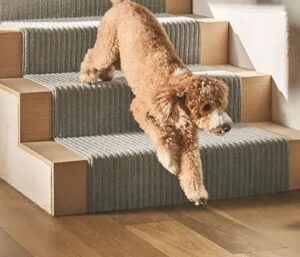
Be honest when assessing the level of activity your household engages in. If children, pets and busy lives are the norm, then opt for a harder, more durable wood species and consider a finish which will stand the test of time and disguises everyday wear – matt and textured finishes can work particularly well here. For less active households, aesthetics may become a more important factor when selecting the wood species or a particular finish.
A wood floor’s finish is crucial not only for aesthetics but for the degree of maintenance required.
The impact of colour on a room is significant, and that holds true for wood floors. Light tones enhance spaciousness and airiness, making smaller rooms and those lacking in natural light feel larger. Medium shades offer a timeless warmth suitable for any scheme.
Dark woods lend an air of grandeur but may show up dust and pet hairs more readily.
Contemporary grey woods have become increasingly popular, providing warmth with a modern twist. When choosing a colour, consider the rest of your dcor and which hue will stand the test of time.
Increasingly common in many homes, underfloor heating necessitates compatible flooring. As a general rule, engineered wood flooring is best suited for use with underfloor heating systems due to its stability. However, it is vital to check with the flooring manufacturer to ensure that the specific product you select is approved for this type of installation.
The inherent durability of wood flooring is one of its main appeals. Regular sweeping or vacuuming will remove abrasive dust and grit. When cleaning is needed, always use products designed specifically for wood floors to prevent damage.
Over its lifespan, a solid hardwood floor can often be refinished, as can many engineered floors (particularly those with a thicker veneer).
In terms of maintenance, an engineered floor typically requires slightly less ongoing attention than an oil-finished solid floor.
While investing in a high-quality wood floor can appear more expensive upfront, its longevity and aesthetic appeal ensure it delivers exceptional long-term value, often proving to be more economical than replacing less durable flooring more frequently. Remember to include the cost of underlay (if applicable), installation, and accessories in your budget.
With so many types and finishes of wood flooring available, it’s easy to feel overwhelmed. Speaking to an expert in wood flooring will give you the confidence that you are making the best choice for your home and lifestyle.
Your experienced flooring specialist can help you make the best choice of materials for the specific environmental conditions in your home, the way you and your family live your life, your financial budget and of course your interior decorating style. Taking flooring samples into your own home can even enable you to assess how the natural and artificial light reflects on your chosen wood colours.
In Conclusion
It’s not a case of which wood flooring product is the best as this is the wrong approach. The right wood floor for your home is likely a mixture of various elements and depends on a number of factors, these include what kind of room is the flooring being fitted into, the amount of wear the flooring is going to be subject to, whether the room will have a large amount of exposure to water, the lifestyle habits of your family, how you’d like your floor to look, how easy you want to be able to care for your floor and how much you can spend on it. By bearing all of these in mind, you can be confident that you are getting a beautiful hardwood flooring option for your house that will provide you with durable flooring, great value and years of comfortable living.